Designing a High-End Holistic Practice: Crafting Patient Spaces That Heal and Convert
When a client walks into your office or lands on your digital practice hub, what is the very first thing they feel?
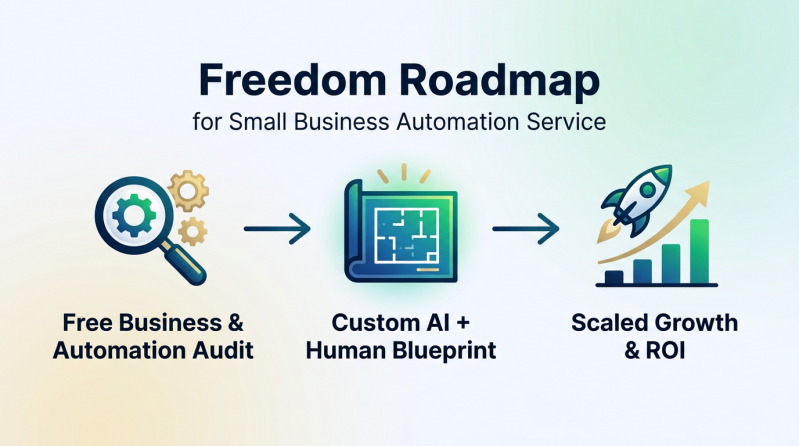
Tell us a little bit about your business below. Our team will review your info and contact you within 24 hours Monday through Thursday during office hours by email to map with a calendar link so we can chat and map out your high-ROI strategy.
🔒 100% Confidential. No hard sales pitch, no fluff—just actionable strategies tailored to your small business.

When a client walks into your office or lands on your digital practice hub, what is the very first thing they feel?
When you enter alternative and holistic healthcare—whether as an acupuncturist, herbalist, naturopath, functional nutritionist, or somatic coach—your work is fueled by an immense capacity for empathy. You want to heal, comfort, and guide people back to wellness.
When you step into the role of a holistic or alternative healthcare practitioner—whether as an acupuncturist, herbalist, naturopath, functional nutritionist, or somatic coach—your primary intention is to foster healing and trust. Because of this, many practitioners worry that setting strict professional boundaries will make them seem rigid, unapproachable, or cold.
When you chose a path in alternative, complementary, or holistic healthcare—whether as an acupuncturist, herbalist, naturopath, functional nutritionist, or somatic coach—you likely did so out of a profound desire to help others heal. You expected to spend your days analyzing lab markers, recommending herbal protocols, and guiding people back to vitality.
Entering the alternative healthcare space as an acupuncturist, herbalist, naturopath, holistic nutritionist, or wellness coach is an act of passion. You are answering a calling to help people heal, restore their vitality, and take control of their well-being.
Stepping out on your own to launch an alternative healthcare practice is an exciting, deeply rewarding journey. Whether you are a licensed acupuncturist, herbalist, naturopath, holistic nutritionist, or wellness coach, your calling is rooted in helping people heal. But turning that passion into a thriving, profitable business requires more than clinical expertise—it requires structure, strategy, and a solid operational roadmap.
The modern alternative healthcare landscape is at a fascinating crossroads. Holistic practitioners, acupuncturists, herbalists, naturopaths, and wellness coaches are realizing that artificial intelligence and automation are no longer just for tech startups—they are essential tools for escaping administrative burnout and scaling a sustainable practice.
The integration of artificial intelligence into alternative and holistic healthcare is unlocking unprecedented levels of efficiency. From automated client intake and 24/7 virtual receptionists to AI-assisted scheduling and streamlined session summaries, technology is helping wellness practitioners escape the endless cycle of administrative burnout.
For decades, alternative and holistic medicine practitioners have operated under a noble paradox. You enter the healing arts to provide deep, personalized, human-to-human care, yet you find yourself spending more time managing spreadsheets, answering scheduling emails, and wrestling with administrative paperwork than actually treating clients.
If you practice as an alternative or holistic health provider—whether as an acupuncturist, herbalist, naturopath, functional nutritionist, or somatic coach—your greatest asset is your deep, specialized knowledge. But if your business model relies entirely on trading 100% of your time for dollars, you are trapped in an invisible ceiling.
If you stepped into alternative and holistic healthcare—as an acupuncturist, herbalist, naturopath, functional nutritionist, or somatic coach—it was because you wanted to change lives through deep, personalized healing. You likely didn't sign up to spend four hours every evening wrangling calendar links, hunting down intake forms across scattered email chains, or answering text messages about dietary supplements at 9:00 PM on a Saturday.
For many alternative and holistic health practitioners—acupuncturists, herbalists, naturopaths, functional nutritionists, and somatic coaches—growth often comes with a hidden, exhausting toll. The more successful your practice becomes, the more demands are placed on your time, your energy, and your personal life.
When your daily work revolves around holding space for others, listening to deep physical and emotional struggles, and channeling healing energy, your own body and nervous system absorb a tremendous amount. For alternative and holistic practitioners—acupuncturists, herbalists, naturopaths, functional nutritionists, and holistic coaches—self-care is frequently misunderstood as a luxury or a weekend indulgence.
In our last discussion, we explored why boundary-setting is the absolute bedrock of sustainable energy management in alternative healthcare. Establishing clear limits on your time, communication, and emotional capacity is what separates a thriving, long-term healing career from a fast track to burnout.
If you were drawn to alternative, complementary, or holistic healthcare—whether as an acupuncturist, herbalist, naturopath, functional nutritionist, or somatic coach—it is almost certain that you possess a deeply empathetic nature. You entered this field because you care profoundly about human suffering and want to help people heal.
The landscape of alternative, complementary, and holistic healthcare is evolving at a breathtaking pace. What started years ago as a niche movement toward wellness has firmly established itself as a mainstream pillar of modern health. Clients are no longer just looking for symptom relief; they are actively seeking root-cause solutions, bio-individualized protocols, and deep, sustainable partnerships with their practitioners.
When a client walks into an alternative or holistic health practice—whether seeking acupuncture, naturopathic medicine, herbal consultations, functional nutrition, or somatic healing—they are rarely looking for a mere transaction. More often than not, they arrive carrying layers of vulnerability. They may have spent months or years feeling dismissed, unheard, or misunderstood by conventional medical systems.
When building an alternative or holistic health practice, it is easy to focus exclusively on clinical modalities—whether you specialize in acupuncture, herbalism, naturopathic care, functional nutrition, or somatic coaching. But clinical excellence alone does not automatically translate into a thriving, sustainable business.
Stepping into independent practice as an alternative or holistic health practitioner—whether as an acupuncturist, herbalist, naturopath, holistic nutritionist, or wellness coach—is an incredible leap of faith. You have invested years into studying the healing arts, mastering your modalities, and preparing to hold a sacred, transformative space for your future clients.
The integration of artificial intelligence into alternative and holistic healthcare is no longer a futuristic concept—it is here, and it is transforming how practitioners manage their businesses. From automated appointment scheduling and 24/7 virtual receptionists to AI-assisted content creation and streamlined client workflows, technology is helping acupuncturists, herbalists, naturopathic doctors, and holistic wellness coaches break free from administrative burnout.
The integration of artificial intelligence into alternative and holistic healthcare is unlocking unprecedented levels of efficiency. From automated client intake and 24/7 virtual receptionists to AI-assisted scheduling and streamlined session summaries, technology is helping wellness practitioners escape the endless cycle of administrative burnout.
For decades, alternative and holistic medicine practitioners have operated under a noble paradox. You enter the healing arts to provide deep, personalized, human-to-human care, yet you find yourself spending more time managing spreadsheets, answering scheduling emails, and wrestling with administrative paperwork than actually treating clients.
If you entered the alternative and holistic health space as an acupuncturist, herbalist, naturopath, or wellness coach, chances are it wasn't because you love managing software, wrestling with spreadsheets, or spending your evenings answering scheduling emails. You answered a calling to help people heal, restore their vitality, and provide deep, personalized care.
Stepping into the world of alternative and holistic healthcare as a newly minted practitioner is an extraordinary milestone. Whether you have just completed your certification in herbalism, earned your acupuncture license, opened your doors as a naturopath, or launched your practice as a holistic wellness coach, your heart is in the right place. You want to help people heal, reclaim their vitality, and experience deep transformation.
For alternative and holistic healthcare practitioners—whether you are an acupuncturist, herbalist, naturopath, holistic nutritionist, or wellness coach—entering the healing arts is driven by a deep desire to help people transform their lives. However, having incredible clinical skills and healing modalities isn't enough if your ideal clients don't know you exist.